
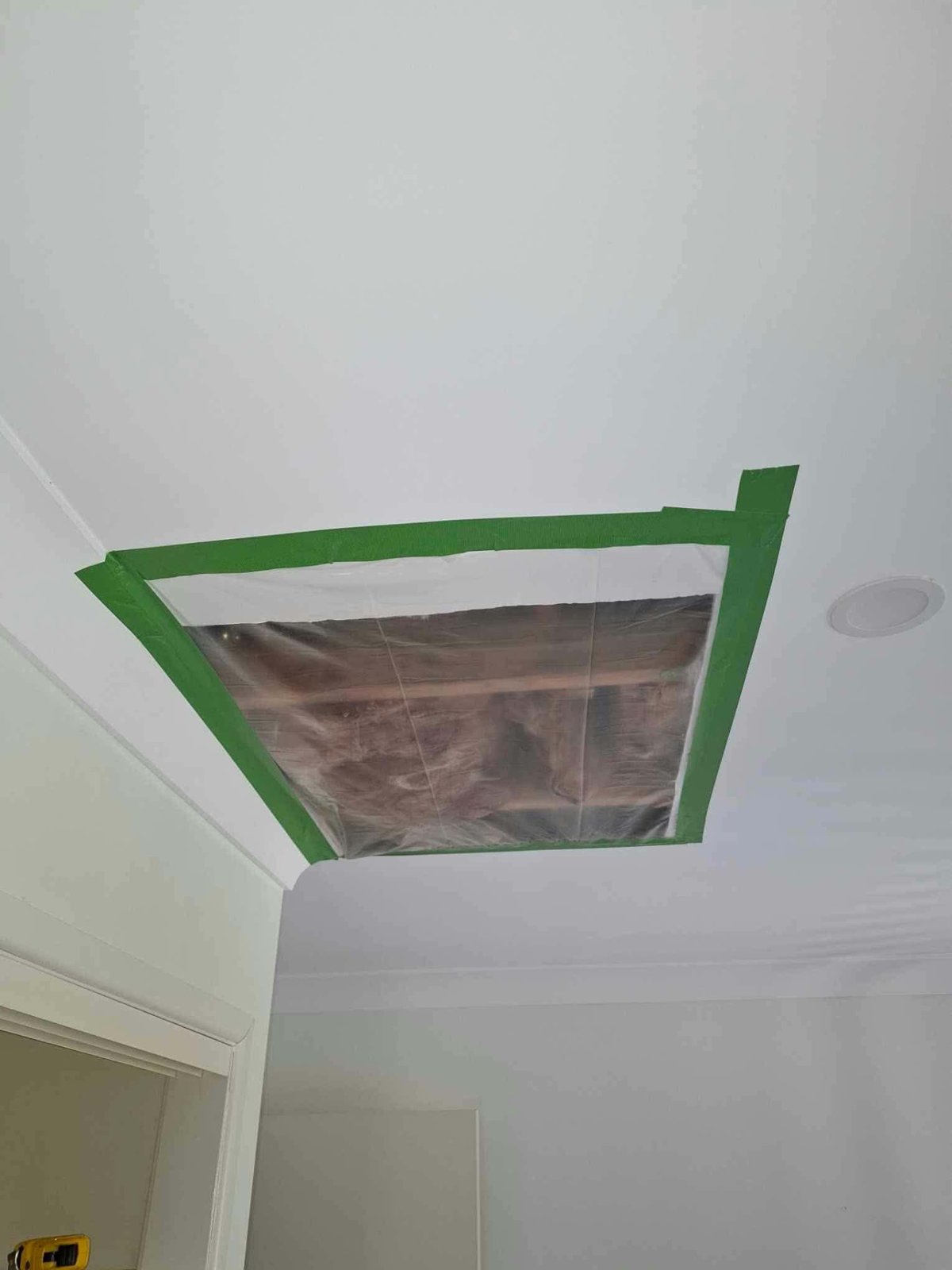
Several small wall defects can turn into repeated visits if repairs are arranged before the renovation decisions are finished. For plaster repairs in Kelvin Grove, begin with a marked list of damage and planned changes. A hole that exists today and an outlet that will be moved next week belong in the same planning conversation.
Queensland Interior Linings can discuss which repairs can sensibly be grouped and which require further assessment first. Combining work is useful when it improves sequencing, but it should not hide different causes or turn unresolved damage into a cosmetic patching exercise.
Make a room-by-room repair map
Photograph each wall in context and label the defects on a simple plan. Distinguish impact holes, removed fitting locations, cracks and areas affected by moisture. They may look like similar finishing tasks while needing different preparation or investigation.
For example, a former wall bracket may leave a local hole, while a recurring crack nearby may require attention to movement or support. Ask for those items to be assessed separately rather than priced as identical patches. Include adjoining corners and skirting so the repair boundary is clear.
Finalise service changes first
Have qualified electrical trades confirm the final locations of switches, outlets and data-related electrical work. Other responsible trades should settle plumbing or cabinetry changes that may create openings. A current marked plan helps prevent one trade closing a hole another still needs.
Do not remove an old electrical plate simply to make the plastering area look ready. Electrical isolation and alterations belong with qualified trades. Our residential plastering information can help frame a scope that recognises those interfaces without treating service work as included plastering.
Check what is safe to disturb
Arrange asbestos assessment before disturbing suspect older material. A small repair still involves cutting, drilling or sanding and should not be treated as exempt from assessing an unknown substrate. The required precautions depend on the material and proposed work, not just the size of the visible hole.
If dampness or staining is present, identify and address the moisture source before reinstatement. Where ceiling damage is part of the repair list, that investigation needs to precede ceiling work. Recurring cracks should also be discussed in terms of cause rather than repeatedly covered without review.
Agree the finish beyond the patch
Repair boundaries may extend beyond the visible defect to achieve suitable support and joint finishing. Follow the complete manufacturer-specified system for the repair, including backing, board, fixings and compound. There is no universal fixing spacing for every patch and substrate.
Discuss retained texture, paint sheen and strong side lighting. The plastering scope should distinguish completed plaster repairs from the painter's preparation and coating work. A patch can be ready for decoration without the surrounding wall already looking uniform in its old paint.
Plan one controlled finishing stage
For an occupied Kelvin Grove property, arrange furniture clearance and access to all included areas before the visit. Contain dust, use suitable extraction and allow compounds to dry before sanding. Avoid creating a new hole after final cleaning by leaving a fitting decision unresolved.
Send Queensland Interior Linings the repair map and final trade-change list through the quote request page. That gives the assessment a useful structure and helps distinguish genuinely ready repairs from items still waiting on another trade.