
Practical advice for planning plasterboard work, ceiling repairs, cornices and interior renovations across Brisbane.
- Square Set Plastering: Junctions, Movement and Lighting
- Plaster Repairs: Matching Patches Without Hiding the Cause
- Renovation Plastering: Plan the Room Before Closing the Walls
- Setting and Sanding Plasterboard: Why Drying and Light Matter
- Cornice Repairs: Matching Profiles and Assessing Loose Sections
- Wall Lining: Patch, Overlay or Strip Back to the Frame?
- Acoustic Wall Linings: Upgrade One Wall or Address the Whole Sound Path?
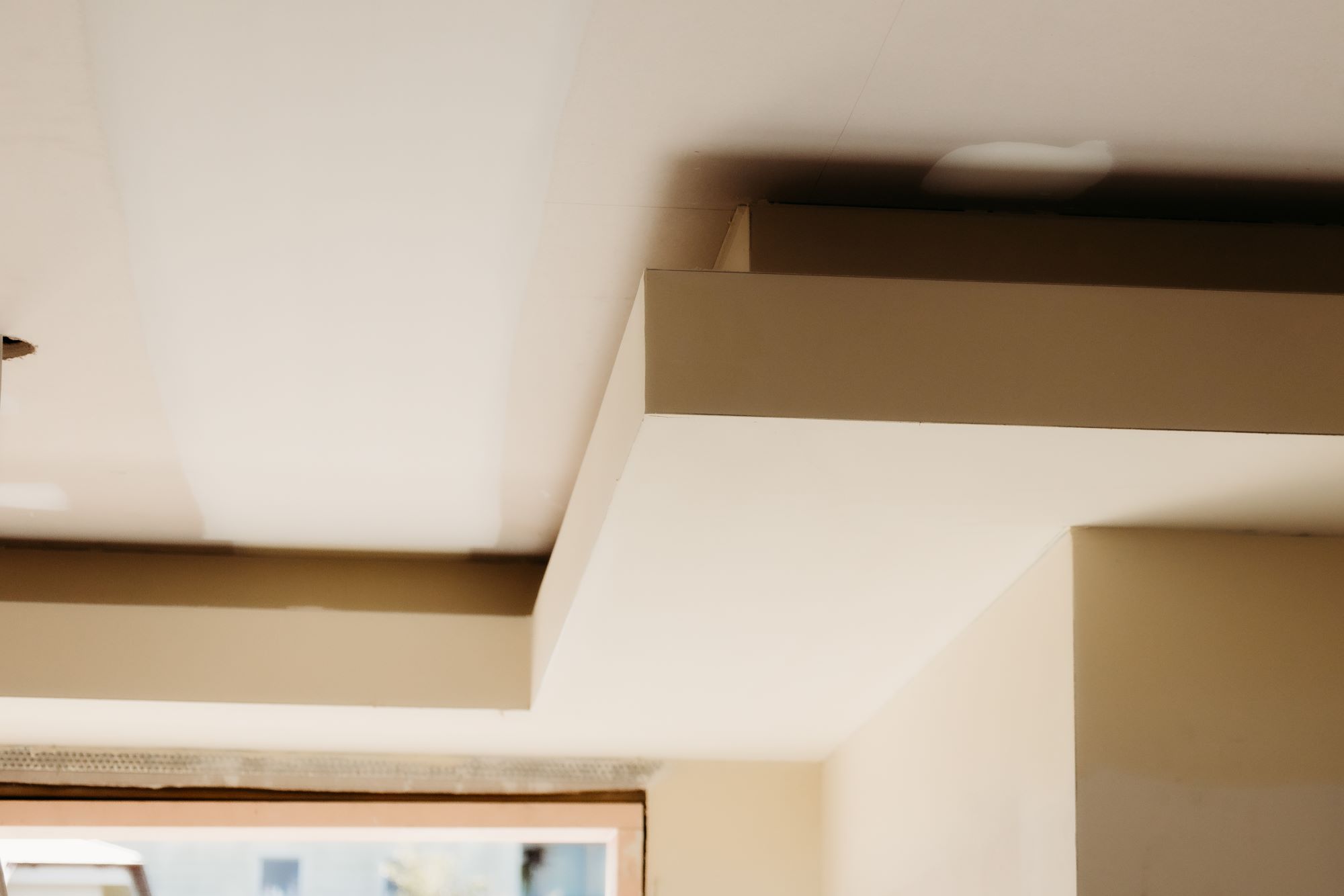
- Bulkhead Linings: A Compact Service Box or a Full-Room Feature?
- Ornamental Cornices: Match a Missing Section or Reframe the Room?
- Plasterboard Sheeting: Plan the Board Layout Before Closing the Walls
- Paint-Ready Plaster: Local Blending or a Broader Surface Finish?
- Renovation Plastering: Stage the Rooms or Complete One Combined Scope?
- Ceiling Repairs: When Is a Local Patch the Right Boundary?
- Ceiling Replacement: One Damaged Bay or the Entire Room?
- Water-Damaged Ceilings: Stain Treatment, Local Repair or Replacement?
- Square Setting: Keep Cornices or Change the Wall–Ceiling Junction?
- Plaster Repairs: Fix Separate Defects or Renew the Whole Wall Face?
- Interior Plastering: Prioritise Shared Surfaces in a Multi-Room Upgrade
- Setting and Sanding: Choose the Finish Scope Before the Last Coat
- Cornice Restoration: Reattach, Repair or Replace a Continuous Run?
- Commercial Interior Linings: Coordinate Joinery, Services and Access
- Acoustic wall planning: resolve doors and services before lining
- Bulkheads: settle duct clearances and cabinet lines before sheeting
- Choose ornamental cornices before cabinets and curtain tracks
- New-Build Plasterboard Sheeting: Check Services Before Closing Walls
- Define paint-ready before the painter is booked
- Stage renovation plastering so occupied rooms stay workable
- Ceiling cracks: what to check before organising a repair
- Ceiling replacement: organise the strip-out and reinstatement handoffs
- Water-damaged ceilings: separate leak repair from lining reinstatement
- Square-set junctions: decide the detail before walls meet ceilings
- Bundle plaster repairs around the final electrical layout
- Use a room schedule to coordinate interior plastering
- Setting and sanding: protect the drying window and dust boundary
- Cornice restoration: document the profile before removing damaged sections
- Why a newly lined wall can still look uneven
- Why sound still travels after a wall is relined
- Keeping bulkhead edges straight when services compete for space
- Matching ornamental cornice profiles without losing their detail
- Preventing sheet layout problems from becoming finishing problems
- What paint-ready means before the painter starts
- Joining old and new plaster without a visible repair boundary
- When a ceiling crack needs more than another skim
- Replacing a ceiling without carrying old problems into the new finish
- Why a dry-looking ceiling stain is not the end of a water repair
- Square-set junctions: diagnose the line before adding compound
- Recurring plaster cracks: what a repair assessment should separate
- Before the lining closes: an interior plastering inspection plan
- Sanding cannot fix every joint: identify the surface defect first
- Cornice restoration: match the profile before repairing the join
- Should you patch a wall lining or replace the whole face?
- Will a new wall lining solve the noise you actually hear?
- What must be settled before a bulkhead is closed?
- Should an ornamental cornice be matched, repaired or replaced?
- What should be checked before plasterboard sheeting hides the frame?
- What does paint-ready actually mean at plastering handover?
- How do you keep renovation plastering changes from multiplying?
- When is a ceiling crack a repair job rather than a filling job?
- What belongs in a ceiling replacement handover?
- Can a water-damaged ceiling be repaired once the stain dries?
- Is square setting worth changing a sound cornice for?
- Why does the same plaster crack keep coming back?
- Should interior plastering be staged room by room?
- When should sanding stop and a joint be reset instead?
- When should cornice restoration stop at a corner?