
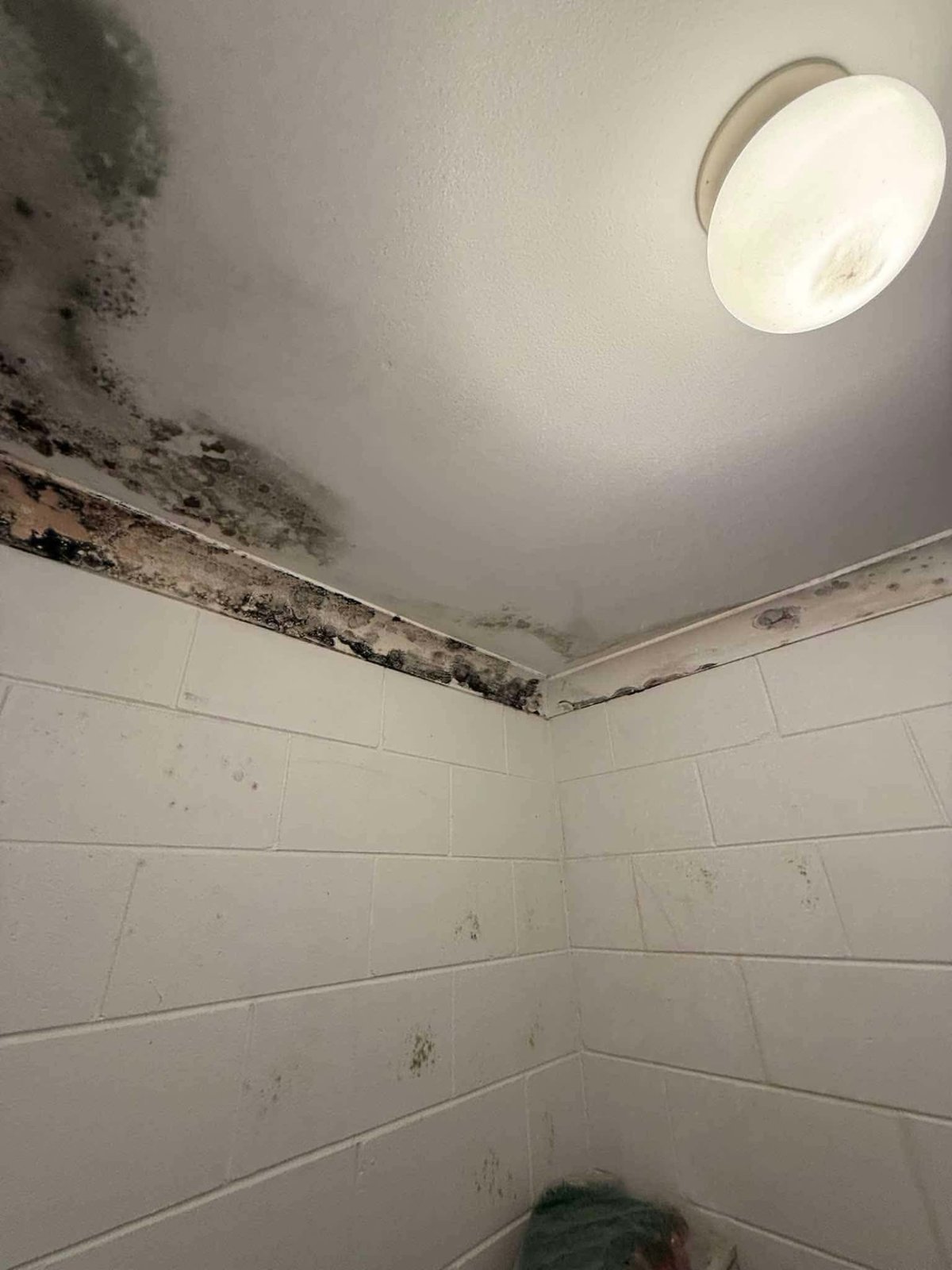
A dry-looking stain does not establish that a ceiling is ready to patch. Water may have affected board strength, insulation, supports or nearby electrical equipment, and the original leak may not be resolved. For water-damaged ceiling repairs in Toowong, begin with safety and cause rather than stain coverage. Queensland Interior Linings can discuss reinstatement after the necessary leak, material and electrical assessments have established a suitable basis for repair.
Make the area safe before discussing appearance
Keep clear of sagging, bulging or visibly unstable ceiling areas and arrange prompt assessment. Do not puncture a bulge or attempt to test the board by pushing it. Have the leak investigated by the appropriate professional, assess the condition of affected materials, and use qualified electrical trades to address electrical safety. A plaster repair should not be the first intervention where these issues remain uncertain.
Before cutting or removing old linings, assess suspected asbestos. If mould or contamination is suspected, obtain appropriate advice on assessment and management rather than sealing it behind new sheets. The sequence matters: identify the cause and hazards, establish what can remain, then define the reinstatement. A ceiling that appears dry from below may still need more investigation.
Separate drying from material suitability
Drying is not the same as restoring damaged plasterboard to a suitable condition. Softness, distortion, loss of integrity and affected support areas all matter when deciding what to retain. There is no universal waiting period after which every wet ceiling becomes repairable. Assessment needs to reflect the material, extent of exposure and actual conditions, not a fixed number of days.
A small local replacement may be appropriate where sound surrounding material provides a reliable repair boundary. Wider replacement may be necessary when damage extends beyond the obvious stain or multiple areas have been affected. Ask for the reasons behind the proposed extent. The insurance repair service information can help frame reinstatement discussions, but policy coverage and claim approval need confirmation with the insurer.
Record the difference between cause and consequence
For a Toowong property, keep leak reports, relevant photographs and any approved repair scope together. Identify who repaired the source and who assessed electrical installations or other affected components. A plastering invoice alone should not be treated as proof that the building is watertight. If additional damage appears when the lining is opened, obtain a revised scope before proceeding beyond the agreed work.
Reinstatement must follow the complete specified manufacturer system for the ceiling assembly. That includes suitable supports, boards, fixing and joint treatment, and any relevant fire or acoustic details. Plan dust containment, extraction and safe removal of waste. Electrical fittings and service penetrations should be coordinated with the responsible trades rather than improvised around after the new surface is finished.
Handover should preserve the repair history
Inspect the completed repair under the intended room lighting and confirm the painting boundary. Painting over a stain and replacing affected lining are different scopes, so the record should make clear what was actually done. Allow compounds and subsequent finishes to reach readiness under product guidance and site conditions. Avoid committing every repair to the same drying timetable.
Ask Queensland Interior Linings to record the reinstated areas and any exclusions requiring separate attention. A new stain, change in shape or recurring defect warrants renewed assessment, not automatic touch-up. Review the broader plastering options and include the leak history when you request a quote. That information supports a repair choice based on the ceiling's condition rather than the colour of its surface.