
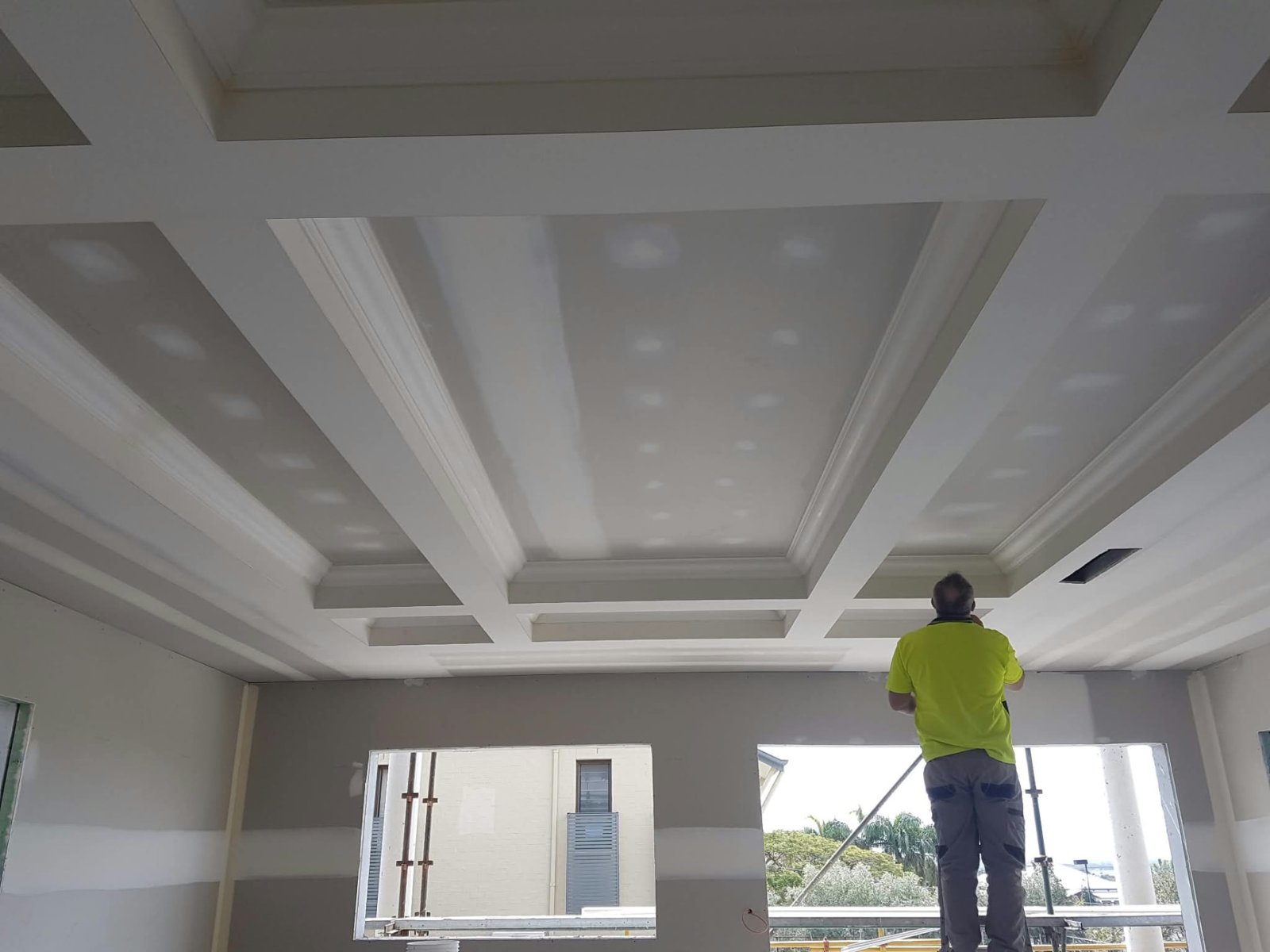
A repaired cornice can look wrong even when every gap has been filled. The replacement may have a slightly different projection, the decorative pattern may stop abruptly, or the moulding may sit at a different angle. For cornice restoration in Kenmore, separate profile matching from attachment and joint finishing. Queensland Interior Linings can help define the lining and cornice work once the condition and matching requirements are understood.
Record the whole profile
Begin with clear photographs of an intact section, a damaged section and the room corner. Overall width alone does not define a match. The projection from the wall, the drop from the ceiling and the sequence of curves or decorative features all affect the appearance. Thick paint can obscure those details and make a nominally similar product misleading.
Where a custom match may be required, a specialist should determine how the profile can be measured or sampled safely. Do not remove a loose section simply to obtain a sample. Existing mouldings may be fragile, and unidentified materials or coatings may require hazard assessment before disturbance. A record of sound adjacent detail can guide the decision without unnecessary loss of material.
Establish whether the cornice is secure
A cracked joint and a detached moulding are not the same repair. Gaps along the wall or ceiling edge can reflect movement, deteriorated attachment or problems in the supporting lining. Filling the visible gap does not establish that the cornice is safely supported. Loose overhead material warrants restricted access and professional assessment rather than a cosmetic trial repair.
If staining or softened material is present, investigate and resolve moisture issues before restoration. The condition of the wall and ceiling behind the cornice matters to the repair method. Record whether those substrates are sound, need local repair or remain unverified until controlled removal. That distinction should appear in the scope, not emerge as an undocumented assumption.
Check corners and pattern continuity
Corners often reveal a mismatch sooner than straight runs. The wall angle may not correspond to a simple nominal corner, while an ornamental pattern may need deliberate placement to avoid an awkward interruption. A specialist should assess the actual geometry and how new work will transition into retained sections.
Ask whether a short replacement can be blended convincingly or whether a longer section would provide a better junction. Neither choice is automatically correct. The answer depends on the available profile, the condition of the retained work and the visibility of the proposed join. The ornamental plastering overview provides relevant service context for this detailed work.
Choose products for the actual repair
Adhesives, setting materials and any required mechanical support should suit the moulding, substrate and installation method. Follow current manufacturer instructions where proprietary products are used, and obtain specialist guidance for materials outside those instructions. Do not prescribe a general-purpose filler as an attachment system or assume that new and retained materials will behave identically.
The plastering overview is relevant if adjacent wall or ceiling lining also needs repair. Keep those tasks distinct in the sequence: establish sound support, restore the moulding, finish the joins and then prepare for decoration. Painting cannot correct an incompatible profile or insecure attachment.
Review the restoration as a continuous line
Inspect from the doorway and normal room positions, not only directly beneath the repair. Look at the shadow line, corner alignment and rhythm of any ornament. Agree the extent of paint preparation and decoration separately, since a local plaster repair does not automatically include repainting the entire cornice run.
For a Kenmore restoration brief, record retained sections, profile-matching requirements, attachment assessment and treatment of adjoining surfaces. Confirm the restoration and finishing boundaries with Queensland Interior Linings before starting. A useful completion record explains what was restored and what remained, rather than implying the whole decorative feature was replaced.