
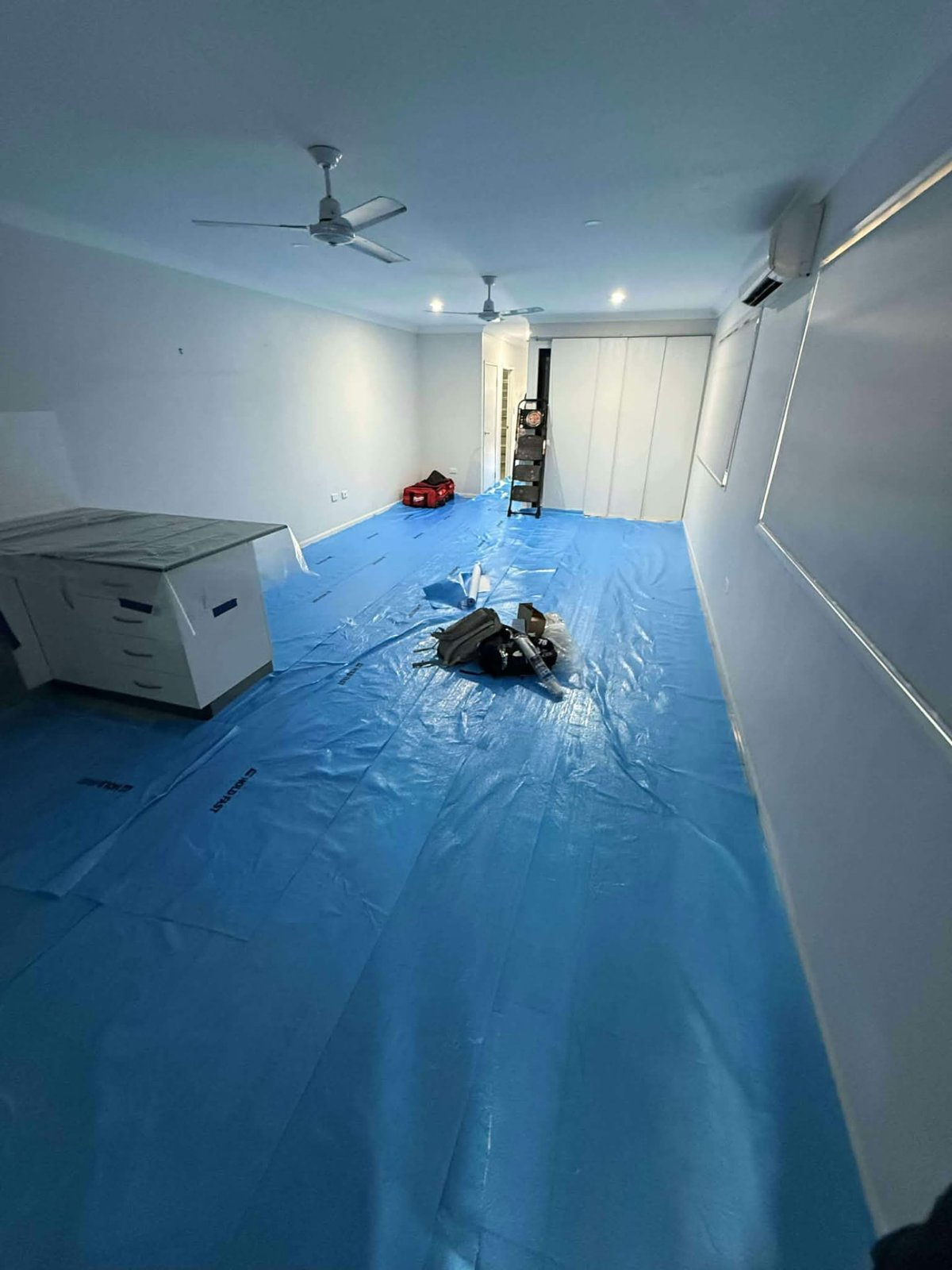
Renovation plastering often changes once a wall is opened or an old fitting comes away. The aim is not to pretend every concealed condition can be predicted. It is to decide how discoveries will be assessed and approved. For renovation plastering in Bardon, Queensland Interior Linings can be asked to separate the known work from allowances and possible follow-on repairs. That distinction helps protect both the finish and the owner's control of the project.
Make the first scope a map
Identify which walls and ceilings are being retained, repaired or replaced. Mark removed partitions, service chases and junctions where old and new work meet. Include nearby surfaces that may need blending even if they are not being demolished. A room-by-room scope is easier to check than a single line covering miscellaneous plaster repairs throughout the house.
Consider what the renovation is trying to achieve. Retaining sound linings may limit disruption, while replacing a heavily altered face can simplify a consistent finish. Neither approach automatically resolves movement or poor framing. The residential plastering service page can support an initial conversation about repair, relining and finishing as separate decisions.
Put investigation before irreversible work
Suspected asbestos must be assessed before old materials are disturbed. Do not use demolition as the identification method. Water marks, mould concerns and loose linings also need their causes and material condition assessed before a repair is concealed. Where a ceiling is wet, establish leak and electrical safety as well as the condition of the lining before proceeding.
Qualified electrical trades should manage disconnection, relocation and reconnection of electrical fittings. Other concealed services may need their own responsible trade. Agree who coordinates these visits and which areas remain unavailable until checks are complete. Dust separation, extraction and clean-up should be planned around any occupied part of the home, rather than added after dust has travelled.
Approve a discovery, not an open-ended instruction
When unexpected damage appears, record its location and why the original repair is no longer suitable. Ask for options: retain and stabilise sound adjoining material, enlarge the repair to a reliable boundary, or replace a full face. Each option should explain its effect on related work and finish continuity. Do not assume the largest option is always the most durable.
For a Bardon renovation, a written variation should state the revised area, materials, interfaces and timing implications before additional work begins. If an acoustic or fire-related assembly is involved, the revised detail needs the appropriate design basis. Follow the complete specified manufacturer system rather than mixing convenient components from unrelated repairs. The residential builders information is relevant when several trades share responsibility for these interfaces.
Close each stage with usable records
Keep photographs of significant concealed repairs and approved service positions where available. Record remaining exclusions, such as painting, skirting reinstatement or work awaiting another trade. Handover can be staged by room, but completed areas need protection from subsequent construction traffic and new damage. Otherwise, the same surface may be repaired repeatedly without anyone knowing why.
Review drying and finishing readiness against product guidance and site conditions, not a universal number of hours. Ask Queensland Interior Linings to identify the agreed endpoint for each stage and any observations requiring separate follow-up. A quote enquiry supported by a marked-up plan and clear priorities helps turn an evolving renovation into a series of manageable decisions instead of a chain of unrecorded extras.