
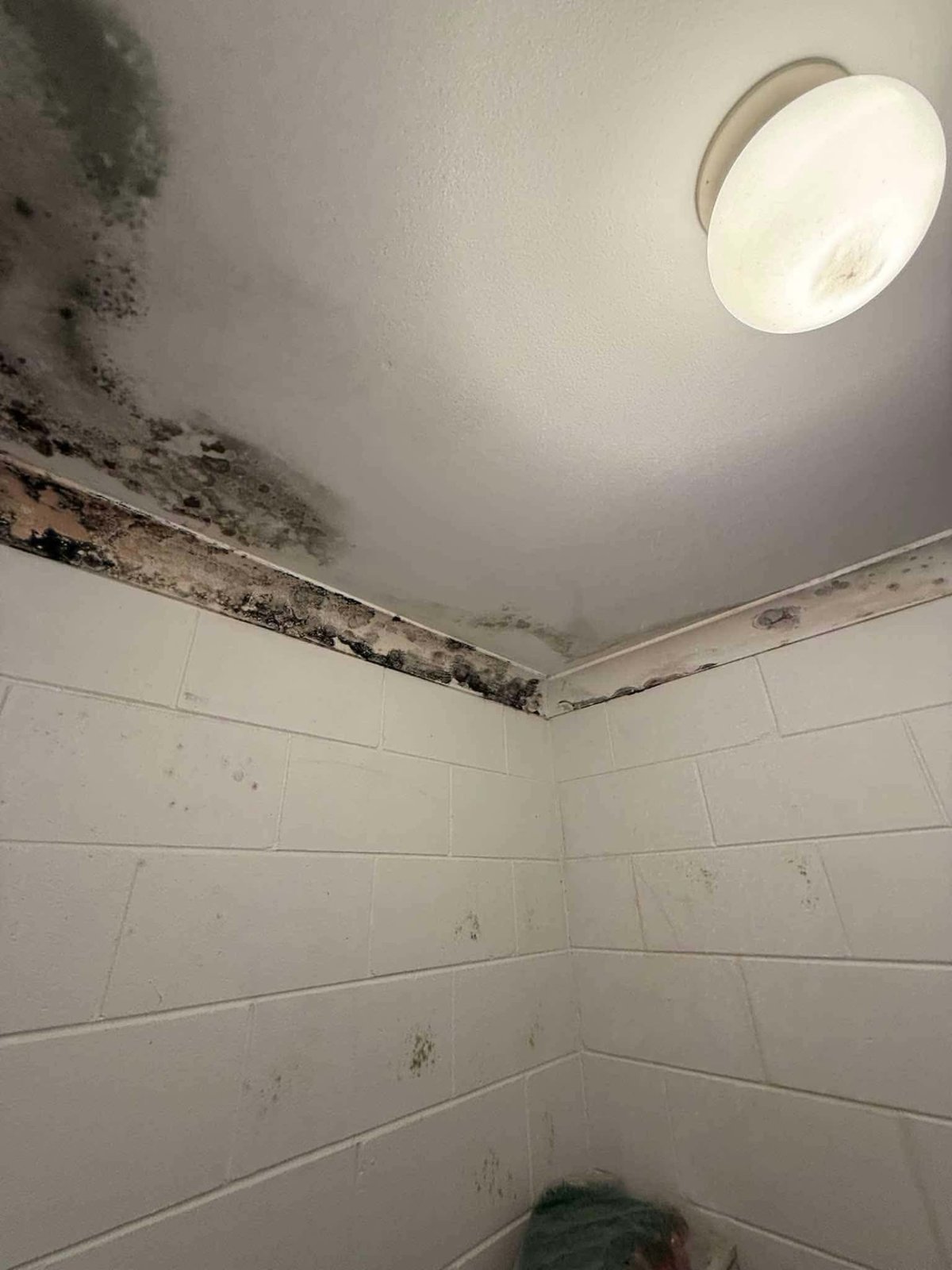
A wall with several dents, old openings and cracks can be repaired one defect at a time, but that is not always the most coherent scope. For plaster repairs in Indooroopilly, the decision is whether each problem is genuinely isolated or whether their combined effect justifies treating a broader wall face. The answer depends on condition, not simply the number of marks.
Queensland Interior Linings can discuss those alternatives within a Brisbane plastering job. Start by identifying which defects are cosmetic and which point to moisture, movement or weak underlying material.
Group defects by cause before choosing a method
A furniture dent, a redundant outlet opening and a recurring joint crack may look like one collection of blemishes but need different responses. A sound local impact area may be repaired without wider intervention. A crack that repeatedly returns needs investigation of the joint or building movement rather than another layer of filler.
Any dampness should be traced to its source, resolved and followed by drying and assessment before lining replacement. Older walls may also need asbestos assessment before sanding, cutting or drilling. These checks define which repair methods can safely be considered.
Compare isolated repairs fairly
Local repairs keep more existing material and can limit disruption. They are useful where the surrounding wall is sound and the existing finish is reasonably consistent. However, a small defect still requires a preparation and feathering area around it, so several nearby repairs can overlap.
Ask the plasterer to show the likely finishing zones, not just circle the holes. A wall with widely separated dents may remain a straightforward local scope, while a cluster of alterations can involve treating much of the visible surface even if little board is replaced.
Distinguish broader finishing from resheeting
Treating a wider face does not necessarily mean replacing the board. Where the substrate is suitable, broader preparation may help reduce differences between repaired and retained areas. It adds labour and drying stages, and the benefit should be linked to the existing texture and intended finish.
Resheeting is a different intervention. It may be worth considering where the lining is extensively damaged, poorly supported or affected by multiple alterations. It also brings removal, disposal and reinstatement at skirtings, doorways and fittings. Avoid treating “whole wall repair” as a single method without asking exactly what it includes.
The residential plastering service provides a useful starting point for comparing retained-surface work with new lining.
Judge the surface under intended lighting
A wall that appears even in diffuse light may show transitions when sunlight or a wall light travels across it. Discuss the paint sheen and future lighting before choosing a repair scope. Broader preparation can improve consistency, but it cannot promise that an old wall will appear perfectly flat under every condition.
Jointing and sanding should follow the selected product instructions. Wet compound must not be sanded to accelerate handover. Protection and dust management should also be stated where the room remains occupied during the work.
Set a clear stopping point
For an Indooroopilly room, compare local repairs, broader finishing and replacement using the same wall boundaries. State whether trim repairs, outlet reinstatement by qualified electrical trades, sealing and repainting are included. The paint boundary may be the whole wall even when plaster work remains local.
Send Queensland Interior Linings a full-wall photograph and close views through the quote enquiry. Include any history of recurring cracks or previous patches. A useful proposal explains what each alternative retains, what appearance it aims to improve and which underlying conditions must be resolved before cosmetic work proceeds.