
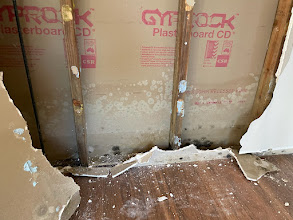
A crack that returns after filling is useful evidence, but it is not a diagnosis by itself. Before planning plaster repairs in St Lucia, separate the damage that is visible from the condition that may be causing it. These are useful questions to discuss with Queensland Interior Linings when defining the repair scope.
Start with a history, not a filler
Record where the crack appears, whether it has changed and whether previous repairs covered the same line. Note nearby doors, windows, sheet joints and changes of material. A photograph with a date and a wider view can be more useful than an extreme close-up because it preserves the relationship between the damage and the room.
Do not infer structural safety from crack width alone. New or progressive cracking, distortion or associated building movement may need assessment by an appropriately qualified building professional. A plaster repair can restore a lining surface; it cannot establish that the supporting structure is stable. If a ceiling is sagging or appears insecure, restrict access and arrange assessment rather than probing it.
Separate moisture damage from impact damage
A dent caused by a known impact has a different starting point from softened board beneath a stain. Where moisture is suspected, identify and address its source and assess the affected material before closing or decorating the area. A dry-looking stain is not enough to demonstrate that concealed components are dry or sound.
The repair scope should distinguish retained material from material requiring removal. Paint can conceal surface colour, but it does not restore weakened plasterboard. If insurance is involved, the insurance repair work overview offers relevant service context; assessment, coverage and approval remain separate matters, and cover should never be assumed.
Check what supports the patch
A repair needs sound surrounding material and suitable support for the selected method. Ask how the replacement section will be supported, how its thickness relates to the existing lining and how the edges will be treated. These details matter when a small opening has been enlarged repeatedly or when several previous patches meet.
Joint treatment should follow the applicable manufacturer system, including compatible tape and compounds. There is no universal instruction to bridge every crack with the same product. A joint between dissimilar materials, an active movement location and a damaged board joint may require different responses. Finishing over loose edges leaves the underlying defect unresolved.
Plan a safe investigation
Before cutting or sanding unidentified existing materials, consider asbestos and hazardous coating assessment. Keep occupants away from intrusive inspection and ensure concealed electrical or plumbing services are considered. Dust controls should be selected for the actual materials and task; an open window alone is not a dust-management plan.
Document any limitations where finishes cannot be opened during the initial assessment. It is more useful to state that concealed support remains unverified than to describe a repair as straightforward without evidence. The plastering overview can help place the proposed repair within the broader lining work.
Agree the repair boundary and inspection stage
A patch may need finishing beyond the visible hole to blend the transition, and painting may need a broader area again. Identify those boundaries separately. Inspect the prepared repair before decoration, then allow for any agreed review after primer reveals surface differences. Primer is not a repair for unsupported joints or recurring movement.
For a St Lucia repair brief, include the damage history, suspected cause, required specialist checks and responsibility for decoration. Discuss those boundaries with Queensland Interior Linings before agreeing the repair. The practical aim is an explained repair method with clear limitations, not an unsupported promise that a crack can never return.