
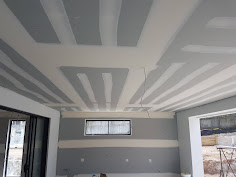
More sanding is not always the answer to a joint that shows through. Removing material can reduce a ridge, but it can also expose tape or damage the plasterboard face without correcting a hollow. When planning setting and sanding in Ashgrove, identify the defect before choosing the next operation. Discuss the observed surface condition with Queensland Interior Linings before agreeing the finishing work.
Distinguish height from texture
A joint may be smooth to the touch yet have a raised profile that catches light. Another area may be reasonably flat but contain scratches, pinholes or torn paper. These are different finishing problems. A competent assessment considers both the surface texture and the transition between the joint treatment and adjacent board.
Inspect from normal viewing positions as well as at closer range. A suitable straightedge can help investigate a change in plane, while grazing light can locate small ridges. Neither tool should become a reason to demand indiscriminate removal of material. The assessment should lead to a specific correction: controlled sanding, additional compatible finishing material or investigation of a deeper installation issue.
Understand the limits of abrasion
A hollow cannot be brought level simply by sanding its centre. Aggressive sanding may instead enlarge the affected area or expose the board paper. Likewise, visible tape should prompt review of the joint treatment rather than an attempt to sand the tape away. Damaged paper needs an appropriate preparation and repair method before decoration.
The finishing sequence should follow current instructions for the selected compound system. Setting and drying are not identical processes, and readiness for recoating or sanding depends on the product and conditions. Do not impose a universal turnaround time based only on how the surface looks. Application thickness, ventilation and moisture conditions can affect readiness.
Trace repeated ridges to their source
If several joints show a similar raised line, consider the installation and joint geometry rather than treating each mark as an isolated sanding problem. Butt joints, recessed edges and intersections may require different finishing arrangements. A displaced sheet edge or unsuitable backing cannot necessarily be corrected within a normal surface-finishing allowance.
The plastering overview provides context for separating installation from finishing work. Where ceiling replacement forms part of the same programme, agree who checks the new substrate before setting starts. Otherwise the finisher may be asked to solve an issue that should have been addressed at the sheeting stage.
Control dust without sacrificing inspection
Plan work-area separation, suitable extraction and cleanup for the actual products and equipment. Respiratory protection, where required, should be selected and used within the task's risk controls, not treated as a substitute for controlling dust at source. Keep occupants out of the work zone and avoid spreading dust through adjoining rooms or ventilation pathways.
Before sanding unknown existing surfaces, assess the possibility of asbestos or hazardous coatings. Manufacturer safety data sheets and relevant workplace guidance should inform the method. Do not assume every white powder or old coating is harmless. Removed dust also needs appropriate handling rather than being redistributed by dry sweeping.
Set a clear stopping point
Before the painter begins, agree how the surface will be inspected, what cleaning is included and who handles concerns revealed by primer. Different absorption between board and compound may require the specified paint preparation; it does not automatically mean the joint needs further sanding. The residential builders information is relevant when multiple trades share this handover.
For an Ashgrove scope, record the observed defect and the intended correction rather than writing only “sand smooth”. Ask Queensland Interior Linings to explain the finishing scope and any substrate limitations. Good diagnosis avoids trading one visible defect for another.