
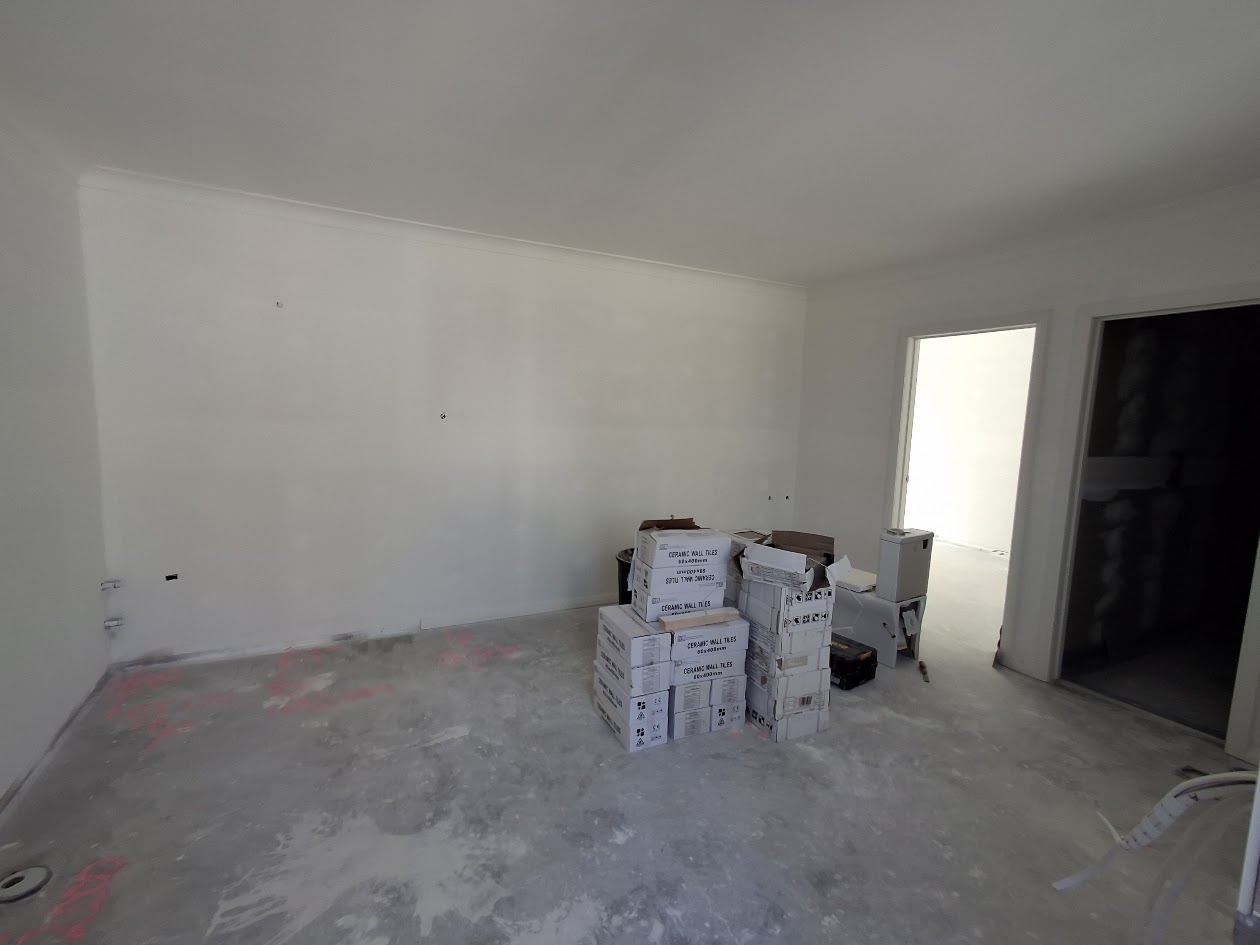
A damaged patch can make a whole wall look tired, but replacing every sheet is not automatically the better decision. For wall lining in Kelvin Grove, start by separating surface damage from problems with the backing, framing or moisture. Queensland Interior Linings can be asked to price defined alternatives rather than a vague instruction to make the wall look new. This makes the immediate repair and its longer-term implications easier to compare.
Keep sound material when the problem is local
A local repair may be reasonable where surrounding board is firm, joints are stable and the damage has a clear, resolved cause. A hole from a removed fitting is different from several cracks that keep returning. Look at the full wall, including skirtings, openings and adjacent junctions, before choosing a repair boundary. Photographs should include these relationships, not just a close-up of the blemish.
Full-face relining becomes worth discussing when many patches overlap, the lining is deteriorated, or the wall needs to be opened for other work. It can also create a more coherent starting surface where old coatings and uneven repairs complicate finishing. It does not, however, straighten defective framing by itself. The plastering service overview is a useful starting point for distinguishing lining replacement from surface finishing.
Make hidden conditions a decision point
Before disturbing existing materials, assess suspected asbestos and arrange appropriate identification or specialist advice where needed. Do not assume that a familiar-looking surface is safe to cut. Moisture, loose backing and unexplained movement also require investigation before they are concealed. Electrical fittings should be isolated or relocated by qualified electrical trades, not handled as part of casual demolition.
Ask the quotation to explain what happens if opening a small area reveals wider damage. A sensible variation process records the discovery, available options, changed extent and approval before additional work proceeds. For a Kelvin Grove owner, that might mean comparing one supported patch with replacement to a corner or doorway. The stopping point should follow sound material and buildable details, rather than an arbitrary rectangle around the visible mark.
Check the complete lining proposal
Replacement board, supports, fixings, adhesives, tapes and compounds need to form the complete specified manufacturer system for the application. Fixing spacing is not a universal rule to copy between walls. If a wall has an acoustic or fire-related role, establish its specification before changing components or adding openings. A decorative finish alone says nothing about that performance.
Agree on protection and dust control, including separation from occupied rooms, extraction during sanding and appropriate clean-up. Allow drying to follow product instructions and actual site conditions. Painting should not be booked on the assumption that every compound dries at the same rate. Discuss the intended lighting and sheen through the residential plastering information before choosing a finish expectation.
Handover should explain what remains
At handover, walk the entire wall under the agreed viewing conditions. Record completed areas, any agreed exclusions, painting responsibilities and the location of repaired openings. Keep photographs before concealment where available, plus the selected material details. This gives a future repairer useful information instead of another mystery beneath paint.
Ask Queensland Interior Linings to identify whether any observed movement or moisture needs separate follow-up. When you request a quote, include both the visible damage and the result you want: a discrete repair, a consistent wall face, or access for a broader renovation. Those are different scopes, and clarity is more valuable than choosing the largest intervention by default.