
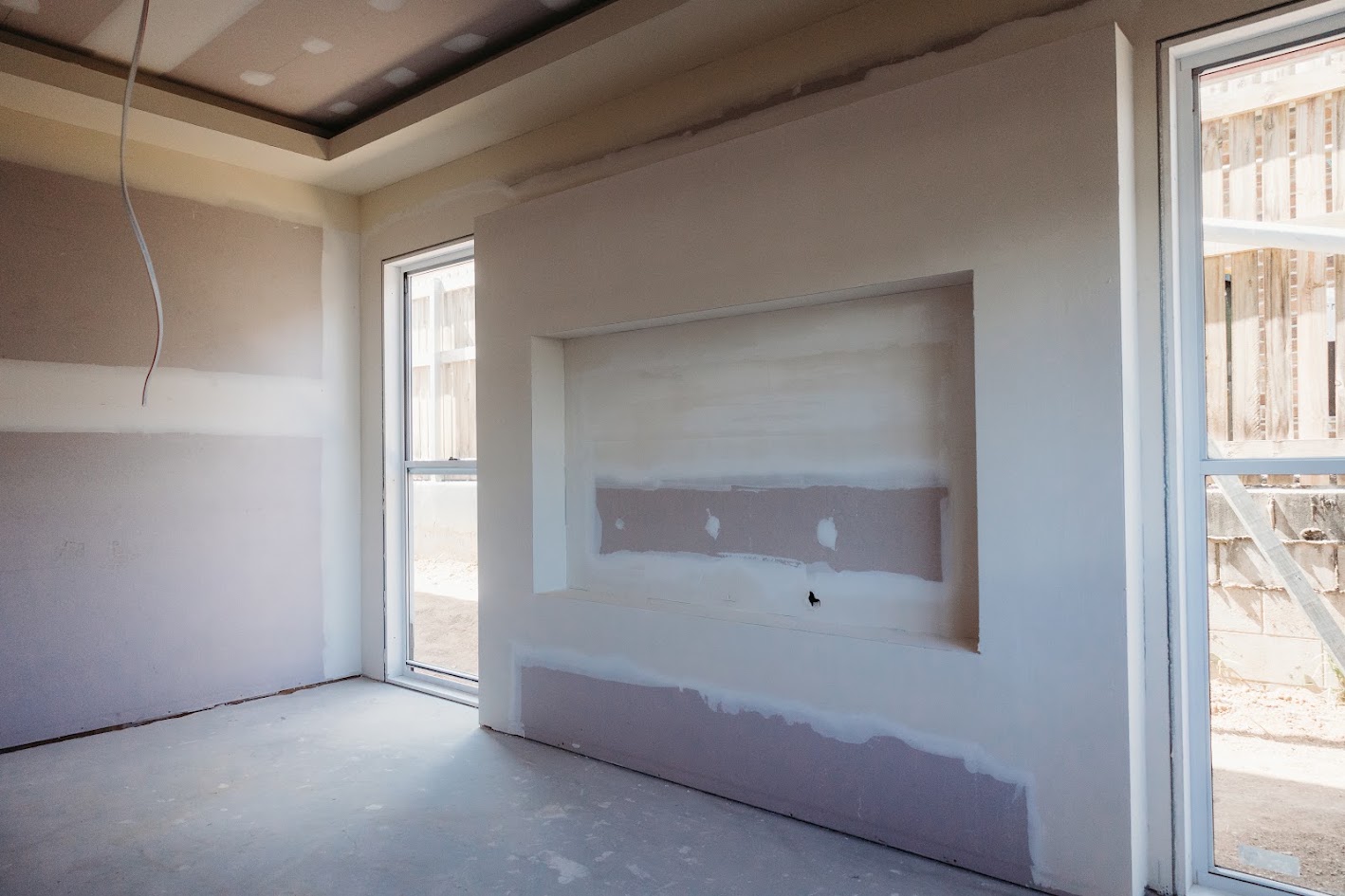
A square-set wall and ceiling junction has no cornice to disguise changes in direction. Its appearance therefore depends on more than a neatly finished internal corner. For square setting in Red Hill, the useful starting point is to separate three questions: is the junction aligned, is its construction suitable, and is its surface ready for decoration? Queensland Interior Linings can help you plan the plastering scope around the junction and the condition of the existing lining.
Trace the line, not just the blemish
Look along the junction from more than one position. A short ridge at a joint suggests a different investigation from a ceiling edge that rises and falls across the room. Record whether the irregularity belongs to the wall plane, the ceiling plane or only the finished corner. This helps prevent a finishing task being mistaken for an alignment correction.
A straightedge can assist a competent tradesperson, but it does not explain why a surface is out of line. Framing, sheet installation and an existing building junction may each contribute. An assessment should establish what can reasonably be corrected without opening the lining and what would require more substantial work. Repeatedly adding compound can enlarge a visible transition without fixing the underlying geometry.
Decide how the junction should behave
A crisp appearance does not establish that a rigid junction is suitable everywhere. Wall and ceiling interfaces can require different details depending on the framing and specified lining system. Ask which manufacturer detail applies and whether movement provision is required at the junction or elsewhere in the room. A movement joint should not be covered merely to make the line appear continuous.
Tape, compounds and any proprietary trims should be selected as compatible components, installed in accordance with current manufacturer instructions. Those instructions govern preparation, application and drying requirements; an attractive sketch is not a substitute. Where a fire-rated or acoustic assembly is involved, the specified system must be maintained rather than improvised from a conventional decorative corner.
Inspect conversions before removing cornice
Changing an existing corniced room to square setting may reveal gaps, damaged sheet edges or unfinished surfaces previously hidden behind the moulding. The proposed scope should allow for assessment after removal, rather than assuming the exposed junction is immediately ready to finish. Identify whether local making-good or replacement lining is included.
Before disturbing unidentified older materials or coatings, arrange appropriate assessment for asbestos and other hazardous materials. Do not sand or cut suspect material to find out what it is. Electrical fittings and concealed services also need consideration before opening the junction. These are preparation decisions, not tasks to postpone until the corner is exposed.
Judge the result under the intended lighting
Daylight travelling along a ceiling can emphasise slight changes in plane. Wall washers and other grazing lights can do the same. Discuss the lighting layout and intended decoration before agreeing the finishing scope. An isolated torch can help locate a blemish, but the agreed inspection conditions should also reflect how the completed room will be used.
The plastering service overview provides broader context for lining and finishing work. Where a builder is coordinating changes to framing or ceilings, the residential builders information is a relevant companion to the junction discussion.
Record what correction actually means
For a Red Hill scope, distinguish surface finishing from changing the wall or ceiling alignment. Record retained linings, exposed-edge repairs, movement details, protection and painting responsibilities. Ask Queensland Interior Linings to clarify the proposed surface correction and any limitations before work begins. A clear handover identifies which junctions were treated, any unresolved substrate concerns and the inspection stage before decoration.