
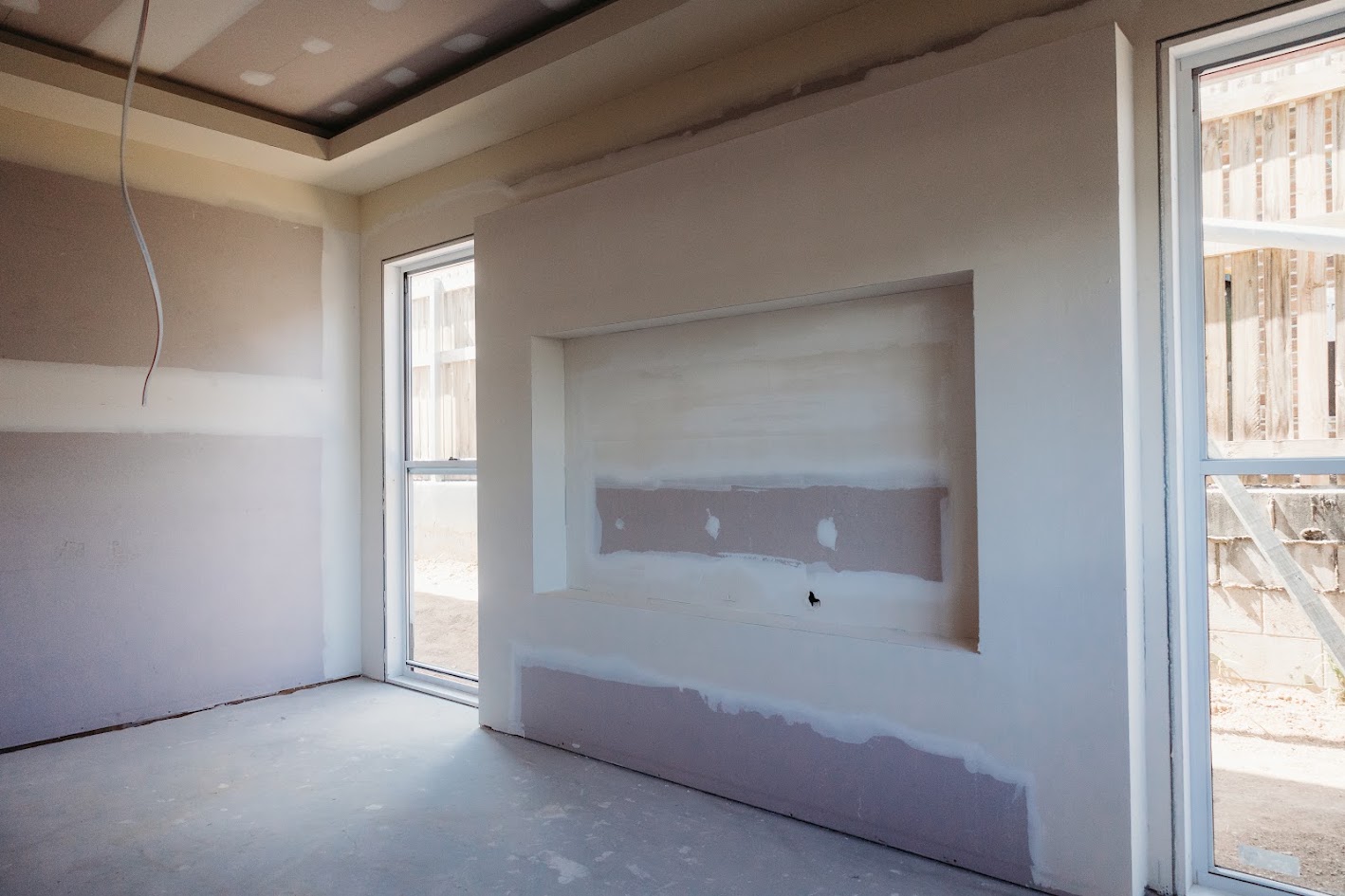
Square set plastering creates a clean junction between a wall and ceiling without a projecting cornice. That makes it an attractive option when planning a Chapel Hill renovation, but removing a decorative moulding does not automatically leave a suitable square-set detail. The underlying surfaces, construction and finishing sequence all affect the result. Queensland Interior Linings can discuss these decisions as part of a broader plastering scope rather than treating the visible ceiling line as an isolated cosmetic change.
Start with the junction you actually have
A cornice can conceal a gap, an uneven ceiling edge or an older repair. Before choosing a new finish, the contractor needs to understand what is behind it and how the wall and ceiling meet. Framing alignment matters because finishing compound is not a substitute for correcting a poorly aligned substrate. The relevant junction treatment must suit the materials and the manufacturer's system.
For an existing room, ask what removal is included and how any damage to the adjacent surfaces will be made good. If older linings or decorative materials may contain asbestos, arrange an appropriate assessment before disturbing them. A renovation programme should allow for that decision before demolition is booked, not after the room has already been opened.
Movement is a detailing question
Walls and ceilings can move differently. The correct response depends on construction, junction design and the specified products, not a universal instruction to fill every gap rigidly. Where movement joints or a particular junction detail are required, they need to remain part of the scope. Repeatedly covering a recurring crack without considering the underlying movement may only hide the symptom temporarily.
Ask how corners, intersecting walls and changes in substrate will be treated. Those details are easier to agree before sheeting and setting than after painting reveals an inconsistent line. Renovation plastering may involve both new and retained materials, which makes the transition between them especially important.
Consider daylight and planned lighting
A smooth-looking surface under a work light can look different when sunlight travels across it. Windows close to walls, directional lighting and new ceiling fittings can highlight joint edges or variations. That does not mean every visible difference has the same cause, or that a particular finish level guarantees perfection under every lighting arrangement.
Discuss the expected level of finish and the intended lighting before work starts. Where critical lighting is expected, the lining and finishing specification may need more consideration. It is useful to settle whether lighting changes are part of the renovation, because moving them later can change how the completed surfaces appear.
Keep finishing and painting responsibilities clear
Sheeting, joint setting, drying, sanding, sealing and painting are separate stages even when one contractor coordinates several of them. Compatible tapes and compounds must be used in accordance with the relevant product instructions. Recoating and sanding should follow the material's requirements rather than a fixed promise that every room will be ready overnight.
The quote should explain which surfaces will be finished and which will be painted. Paint preparation can extend beyond the narrow ceiling junction, particularly where an old cornice is removed. Dust control and room protection also matter in an occupied home; agree where furniture will go and whether the room remains usable during the work.
Compare the complete scope
A useful comparison includes removal, substrate repairs, the proposed junction detail, adjacent wall and ceiling finishing, and paintwork responsibilities. If new services or ceiling fittings are involved, clarify who coordinates them. Electrical work belongs with appropriately licensed trades, and required access should not be concealed accidentally.
For a Chapel Hill property, choose the finish because it suits the room and construction, not simply because the label sounds modern. Queensland Interior Linings can help discuss square set plastering alongside residential plastering in Brisbane. When you request a quote, include room photographs, the existing junction and any planned changes to lighting so the proposed scope can be assessed sensibly.