
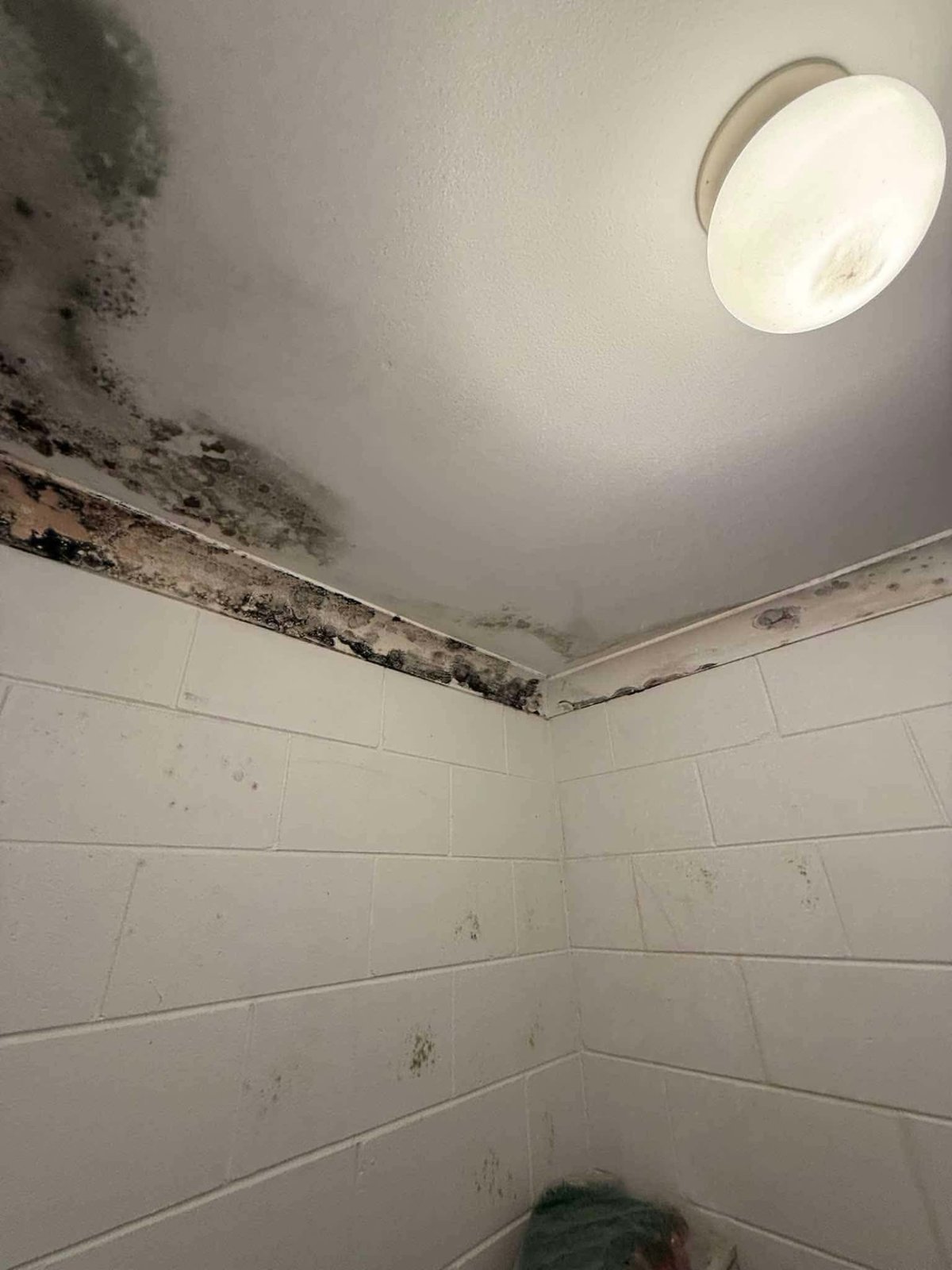
A ceiling stain tells you water has been present, but not whether repainting, a local repair or wider replacement is appropriate. For water-damaged ceiling repairs in Mount Ommaney, deciding the scope means separating the source of the water from the condition of the lining. Covering the mark before those questions are resolved can conceal an ongoing problem.
Queensland Interior Linings can discuss the lining and finishing work within a Brisbane repair scope. Leak investigation, electrical safety and any specialist remediation remain separate responsibilities that need to be coordinated.
Make the area safe before judging appearance
A bulging or sagging wet ceiling may be unstable. Keep people out of the affected area and arrange appropriate professional assessment; do not puncture it or press on the board to test its strength. If water may have affected electrical fittings or wiring, seek qualified electrical assistance rather than handling the fitting yourself.
The source must be identified and resolved before reinstatement. The lining and concealed areas then need sufficient drying and assessment. A surface that appears dry does not prove that the cavity, insulation or board is suitable to close or decorate.
Consider stain treatment only after assessment
Where the lining remains sound and the moisture problem has been resolved, the remaining work may be mainly decorative. Appropriate preparation, sealing and repainting can be discussed with the painter. This is different from assuming every dry stain is harmless.
The advantage is retaining serviceable material. The limitation is that painting cannot restore weakened board, failed attachment or damaged insulation. Ask what evidence supports keeping the lining, particularly if the water exposure was prolonged or its extent is uncertain.
Compare local removal with a wider section
A local repair may suit a clearly limited damaged area with sound material and support around it. It reduces demolition but still needs access, proper support and joint treatment extending beyond the cut. The final paint boundary may be larger than the replacement board.
A wider section can be justified when nearby material is also affected, the extent cannot be reliably isolated or several small repairs would leave awkward transitions. It brings more disruption and disposal, so the reason for expanding the area should be explicit. Do not replace a whole ceiling solely because a stain is large, or retain compromised board solely because the visible mark is small.
Older linings may require asbestos assessment before cutting or removal. If mould or contaminated water is suspected, obtain suitable advice on assessment and remediation rather than sealing the issue behind new sheets.
Keep insurance and construction decisions distinct
If an insurance claim is involved, document the damage and follow the insurer's process while taking appropriate action to prevent further harm. Coverage and approval depend on the policy and claim assessment; they should not be assumed from the repair method.
The insurance repair work page provides a place to begin discussing repair coordination. Ask who records the affected area, who confirms leak rectification and what approval is needed before reinstatement proceeds. A clear scope can distinguish investigation, removal and final lining work.
Compare the complete reinstatement
For a Mount Ommaney property, include affected insulation, access needs, cornices, fittings and decoration in the comparison. New lining should follow the applicable manufacturer requirements, and finishing compounds need to dry before sanding. Repainting a small patch may leave a visible difference from the surrounding ceiling.
Send Queensland Interior Linings photographs and the known leak history through the quote enquiry. The useful decision is not the fastest way to hide the stain, but the least disruptive scope that follows sound leak resolution, drying and assessment of everything being retained.