
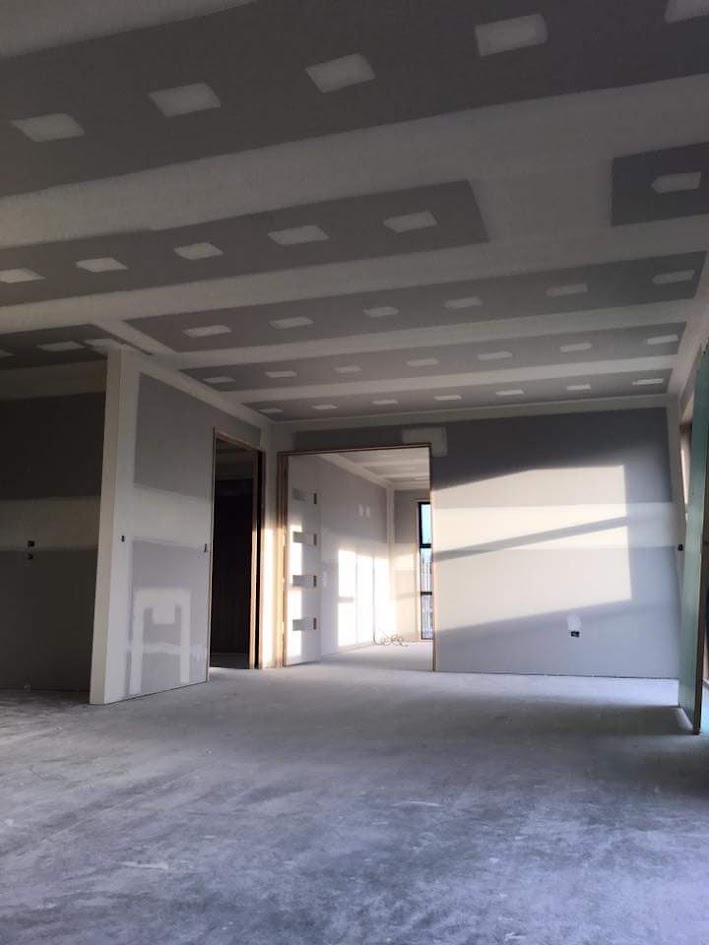
Paint-ready can mean different things to a plasterer, painter and homeowner unless the scope explains the intended endpoint. For paint-ready plaster finishes in West End, the useful question is what preparation remains before the chosen coating system can begin. Queensland Interior Linings can be asked to define the plaster finish, while the painter confirms the primer and coating requirements. A shared definition prevents a smooth-looking surface from becoming a disputed handover.
Start with the final appearance
Discuss the intended wall colour, sheen and lighting before finishing is priced. Strong side lighting can reveal surface variation that is less noticeable under diffuse light. A change from a forgiving finish to a more reflective one may change the preparation needed. It should not be treated as a last-minute product swap with no consequences for the substrate.
Agree the appropriate finish requirement for the actual application and viewing conditions. That does not mean promising that every surface will look flawless under any portable spotlight. Inspect representative areas with the room's planned lighting and normal use in mind. The residential plastering guide provides a starting point for discussing the relationship between lining condition and the final decorated result.
Separate plaster completion from coating preparation
Ask whether the plastering scope includes joint setting, sanding, removal of sanding residue and making good identified surface defects. Then establish what the painter will check and prepare before priming. These responsibilities should fit together without assuming that one trade will quietly correct everything left by the other. Existing painted surfaces may need different preparation from new board and compound.
The complete specified manufacturer system matters for boards, tapes and compounds, and the coating system must be compatible with its substrate. Drying varies with material, application and conditions. Surface appearance alone is not a reliable timetable for painting, and no single waiting period suits every room. The responsible trades should confirm readiness rather than working backwards from an inflexible decorating booking.
Handle changes before the final sand
Moving a light fitting, replacing a cornice or adding joinery can create new repairs after a wall has been finished. In West End, record those changes and identify who reinstates the surface and who pays for any repeated painting preparation. A late opening is not just a small hole when it interrupts a completed sequence across a visible wall.
Electrical alterations need qualified electrical trades. If sanding or cutting existing materials could disturb suspected asbestos, arrange assessment before work starts. Any water staining or softness also needs its cause and material condition assessed, rather than being treated as another patch to hide. These issues can legitimately move the handover date because the underlying repair must be sound.
Inspect, record and protect the surface
Dust management includes containment, suitable extraction and cleaning methods that do not simply redistribute fine dust. Agree who protects completed work from later trades and who reports new damage. Check the surface before furniture or equipment blocks access, then record outstanding items by location. A concise list with photographs is more useful than a general note saying the walls need attention.
At handover, distinguish unfinished plaster work, coating preparation and damage caused after completion. Keep product information and the agreed finish description for future touch-ups. Queensland Interior Linings can discuss those boundaries through its plastering services. When you request a quote, include the intended lighting and paint finish, not only room dimensions. That gives paint-ready a practical meaning for the room you will actually use.