
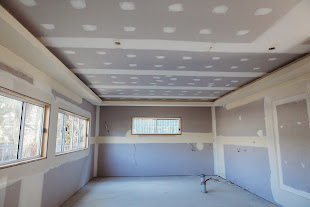
“Paint-ready” is useful only when everyone understands what is being handed over. It should not imply a decorated surface or a promise that every joint will disappear under every light. When discussing paint-ready plaster finishes in Toowong, define the preparation, inspection and painting responsibilities before either trade reaches its final stage.
Queensland Interior Linings can discuss the lining finish within residential plastering. For a Brisbane plastering project, that conversation is most useful when the painter's proposed coating system and the room's lighting are already known.
Distinguish a finished lining from a painted surface
The plastering scope should identify the specified level of finish and the treatment of joints, fastener heads, corners and repair boundaries. It should also state what cleaning and inspection are included. The painter then needs a suitable substrate and a compatible preparation and coating system.
Fresh compound and plasterboard paper do not have identical texture or porosity. Gyprock explains the role of primer sealer in achieving a more consistent decorated appearance. 3 That is why paint is not simply a coloured cover over an otherwise completed visual result.
Agree the lighting context
Daylight travelling across a wall and a fitting aimed along a ceiling can reveal subtle surface variation. A portable inspection light can help locate a concern, but the handover should also consider the intended room lighting and agreed finish rather than an undefined expectation of perfection.
Gyprock identifies critical lighting and decoration choices as reasons to consider a higher level of finish. 1 Discuss this before installation. A higher specification can improve the outcome without eliminating every possible shadow or texture difference.
Diagnose marks before sanding again
A raised ridge, a scratch, a broad hollow and a sheen difference may look similar in a photograph but require different responses. Repeated sanding can damage paper or alter the surrounding surface without correcting a framing issue. Ask the relevant trade to identify the cause before another repair is authorised.
If a stain, soft area or recurring crack is present, do not treat it as a routine paint-preparation mark. Moisture sources must be resolved and affected materials assessed before closure or decoration. Movement may also need investigation beyond the finishing layer.
Leave the surface ready for the next system
The specified manufacturer system governs jointing materials and application. Compounds must reach the required drying or curing condition, with drying between appropriate coats, before the next stage proceeds. A fixed timetable cannot replace checking the actual site conditions.
Dust extraction, work-area separation and final cleanup should be included in sanding arrangements. Where older materials require disturbance, suspected asbestos must be assessed beforehand. Electrical fittings and any associated alterations remain work for qualified trades, not part of an improvised finishing repair.
Record the handover boundary
For a Toowong room, write down whether primer is included, who checks the surface before decoration and how any identified plastering concerns will be referred back. Do this before paint obscures the original condition.
Contact Queensland Interior Linings through request a quote with the intended paint sheen, lighting details and photographs. Clear expectations are more useful than the phrase “perfectly paint-ready” because they describe what each trade is actually being asked to deliver.