
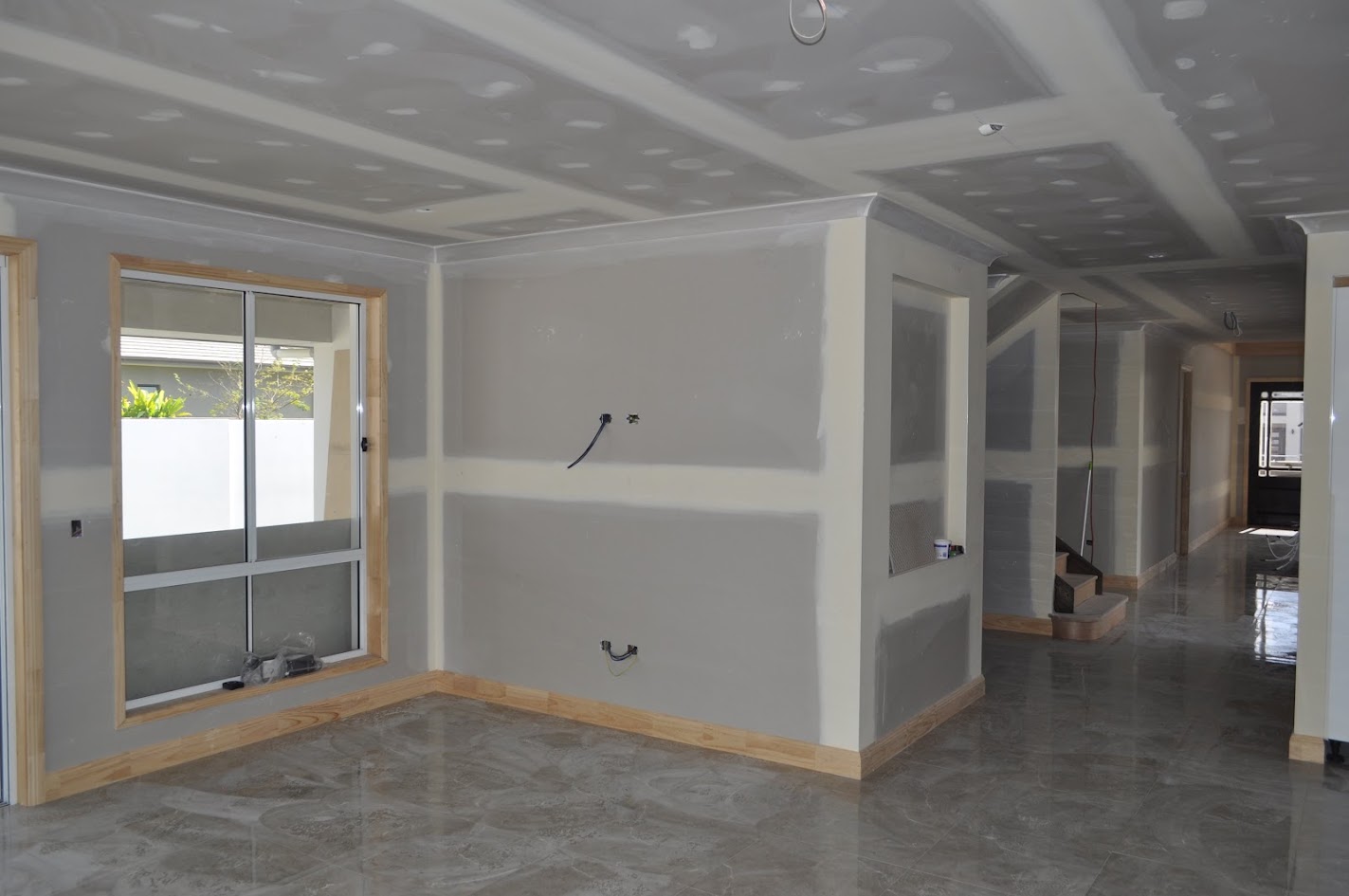
A wall can feel smooth and still show a ripple when daylight travels across it. That does not automatically mean it needs more sanding. For wall lining in Indooroopilly, the useful first question is whether the variation comes from the supporting structure, the sheet installation or the finishing layers. Each calls for a different response, and covering one problem with another layer can obscure the cause.
Queensland Interior Linings can be approached about residential plastering with those distinctions in mind. A Brisbane plastering discussion should begin with the wall as a complete assembly, not just its visible face.
Separate alignment from surface texture
A broad change in the wall plane may originate at framing or an existing substrate. A narrow raised strip may relate to a joint. Fine scratches, paper damage and ridges are different again. These clues help a professional plan an inspection; they are not a reliable diagnosis from a single photograph.
Look at where the variation begins and ends without pressing, scraping or opening the lining. Note whether it follows a joint, an opening or a junction with another material. If it changes over time, record that too. Movement and moisture need investigation before cosmetic correction makes sense.
Check what the new lining will attach to
Where existing surfaces remain, their soundness, alignment and compatibility with the proposed lining matter. Covering a damp or unstable substrate simply hides an unresolved condition. Moisture sources must be resolved and affected materials assessed before the wall is closed.
The installation should follow the specified manufacturer system for board selection, support, fixings and joint treatment. There is no single fixing arrangement that suits every substrate. If older materials might contain asbestos, arrange assessment before disturbance; Queensland guidance explains why appearance alone cannot establish safety. 2
Decide the finish before deciding the paint
Window position, wall lights and paint sheen influence what becomes visible. Gyprock identifies framing, lighting and decoration as factors in selecting a plasterboard finish. 1 Discuss these together rather than selecting a finish in isolation and expecting paint to conceal every irregularity.
Critical lighting can reveal subtle variations in a hand-finished surface. A higher specified finish may reduce their visual impact, but it is not a promise of perfection from every angle. Agree how the wall will be viewed in its intended use and identify unusually demanding lighting before installation.
Protect the final stages
Joint compounds need the drying or curing conditions required by their product instructions, including drying between appropriate coats. Sanding too early can damage the finish rather than improve it. Dust extraction, containment and cleanup should form part of the work plan, especially where adjoining rooms remain occupied.
Electrical alterations belong with qualified trades and should be coordinated before closure. Later cut-outs can disturb an otherwise completed surface and introduce avoidable repairs.
For an Indooroopilly wall, give Queensland Interior Linings a room overview, close photographs and information about the intended lighting through request a quote. Ask for the proposed preparation, finish and painting boundary to be recorded. That makes the next decision about the actual cause, rather than another round of sanding.