
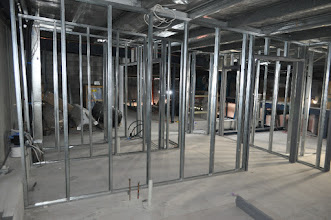
Hearing conversation through a wall does not prove that the wall lining is the only sound path. Noise may travel through doors, ceilings, floor connections or service openings. Before commissioning acoustic wall linings in Auchenflower, describe what you hear, when it occurs and which rooms are involved. Queensland Interior Linings can discuss lining scope, while a suitably qualified acoustic adviser may be needed where a defined performance outcome is important.
Separate sound transfer from room echo
A room that sounds hollow presents a different problem from speech passing between rooms. Surface absorption can change reverberation without adequately reducing transmission through a partition. Equally, heavier wall linings cannot necessarily overcome an open doorway or an unsealed adjoining cavity. Decide whether the goal is improved everyday privacy, reduced echo or compliance with a specified design before comparing products.
Make a simple room sketch showing doors, shared boundaries, ceiling spaces and penetrations. Note whether noise appears strongest at a particular opening, but avoid treating an informal listening test as a measured assessment. The Brisbane plasterers service page can help frame a conversation about physical lining work; it is not a substitute for acoustic design advice.
Retain, upgrade or rebuild?
Retaining an existing wall may be reasonable if an appropriate upgrade system can be installed on sound supporting construction and the other sound paths are addressed. Opening the wall may be justified when insulation, concealed gaps or framing arrangements need investigation. Rebuilding is a different scope again, with consequences for room dimensions, joinery and services. Compare these options against the identified path rather than board thickness alone.
Any proposed acoustic construction must follow the complete specified manufacturer system, including board layers, framing, insulation, perimeter treatment and penetration details. Substituting a component because it looks similar can undermine the basis of the design. Do not infer a rating from a product label in isolation. If performance verification is required, agree who designs, assesses and documents it before work starts.
Control late changes to openings
A new power point, wall-mounted screen or access panel can alter an otherwise carefully detailed partition. In Auchenflower, settle those locations before closing the cavity. Have qualified electrical trades handle electrical work, and coordinate their requirements with the lining detail. Where an existing material may contain asbestos, arrange assessment before drilling or stripping; the risk cannot be settled by visual guesswork.
Changes should identify the affected assembly and proposed reinstatement, not simply say extra hole. Keep approvals with the revised scope. During work, plan dust isolation and extraction so an upgrade in one room does not spread sanding residue through the home. Allow compound drying according to the selected products and conditions, rather than promising a fixed interval for every wall.
What should the owner receive at handover?
Ask for a record of the specified assembly, installed areas and approved changes. Photographs taken before closure can help explain where services and insulation sit, but photographs alone do not certify performance. If testing forms part of the agreement, its method, responsibility and acceptance criteria need to have been settled separately. Keep any report with the lining documentation.
Future alterations should refer back to that information. Even a tidy small repair needs to preserve the assembly rather than merely hide the opening. Discuss maintenance access and likely future fittings with Queensland Interior Linings before finalising the work. A quote request that explains the noise problem and the intended outcome is more useful than a request for soundproof plasterboard with no context.